Shockwave Therapy in Ridgewood, NJ
Persistent pain can make it difficult to stay active, train consistently, or enjoy everyday movement. At FORM, shockwave therapy is offered as part of personalized care that considers your symptoms, activity demands, and recovery goals.
We begin with an assessment to determine whether shockwave is appropriate for you and explain how it may fit into a plan that includes exercise, strengthening, and guidance for returning to activity.
What Is Shockwave Therapy?
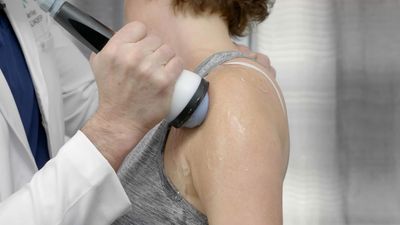
Shockwave therapy is a noninvasive treatment that delivers acoustic energy through the skin to a targeted area using a handheld applicator. It may help reduce pain and improve function in certain persistent tendon and soft-tissue conditions. Results vary depending on the condition and the individual.
At FORM, we consider how treatment fits into your overall recovery. When appropriate, we combine shockwave with progressive strengthening and activity guidance to help you work toward the demands of everyday life, exercise, or sport.
Could Shockwave Be Right for You?
Shockwave may be an option for certain persistent tendon and soft-tissue conditions. An assessment helps us understand your symptoms, review your health history, and determine whether it belongs in your treatment plan.
Heel & Achilles Pain
Persistent plantar heel pain or Achilles tendon pain that limits walking, running, or exercise.
Elbow Tendon Pain
Tennis elbow or golfer’s elbow symptoms that make gripping, lifting, work, or sport uncomfortable.
Other Persistent Tendon Pain
Selected knee, hip, and shoulder tendon conditions that interfere with daily activities or training.
Not every painful condition is suitable for shockwave. We’ll explain your options and recommend care based on your assessment, goals, and response to treatment.
What to Expect at Your First Visit
Talk Through Your Symptoms & Goals
We’ll discuss where you’re having pain, how long it’s been present, what you’ve already tried, and the activities you want to return to.
Assess Whether Shockwave Fits
Your physical therapist will assess the affected area and review relevant health history to determine whether shockwave is appropriate. We’ll explain the treatment, potential benefits, risks, and alternatives before proceeding.
Leave With a Clear Next Step
If treatment is appropriate and you choose to proceed, we’ll explain what to expect during and afterward. You’ll receive recommendations for exercise, activity, and follow-up based on your findings and goals.
Have Questions Before Booking?
Shockwave FAQs
Please reach us at ridgewood@formnj.com if you cannot find an answer to your question.
You may feel tapping, pressure, or discomfort over the treatment area. We’ll check in throughout the session and adjust the intensity to your tolerance. Tell your therapist if treatment feels too uncomfortable.
The number and spacing of visits depend on your condition, treatment type, and response. After your assessment, we’ll explain the recommended course and reassess your progress along the way.
Response varies. Some people notice changes early, while others improve gradually over the weeks following treatment. Immediate relief does not necessarily mean you’re ready to return to full activity, and results aren’t guaranteed.
You may need to temporarily reduce strenuous or high-impact activity involving the treated area. Your therapist will give you specific guidance on exercise, running, and rehabilitation based on your condition and treatment.
Temporary soreness, redness, swelling, or bruising can occur. Less common complications are possible. We’ll review relevant risks and your health history before treatment and explain when to contact us afterward.
Shockwave is one treatment option within a broader recovery plan. At FORM, we may combine it with progressive exercise, strengthening, and activity guidance to address your symptoms and help rebuild your capacity.
Start with an assessment so we can understand your symptoms and determine whether shockwave is appropriate. If you have questions before scheduling, book a free discovery session to discuss your options.
Our introductory shockwave session is $59. If additional treatment is recommended, we’ll explain the available options and pricing before you commit to further care.
Copyright © 2026 FormNJ - All Rights Reserved.